
Textile crafting mastery
Essential techniques for advanced custom garment construction

Transforming raw materials requires precise tools and dedicated manual skill sets.

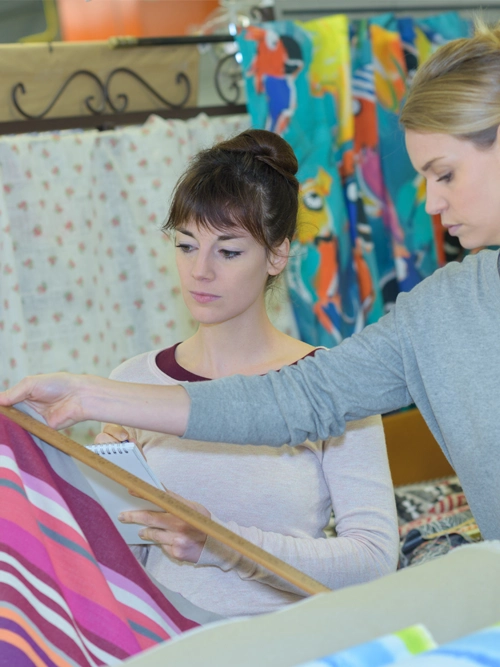
Selecting premium woven materials
Fiber quality assessment
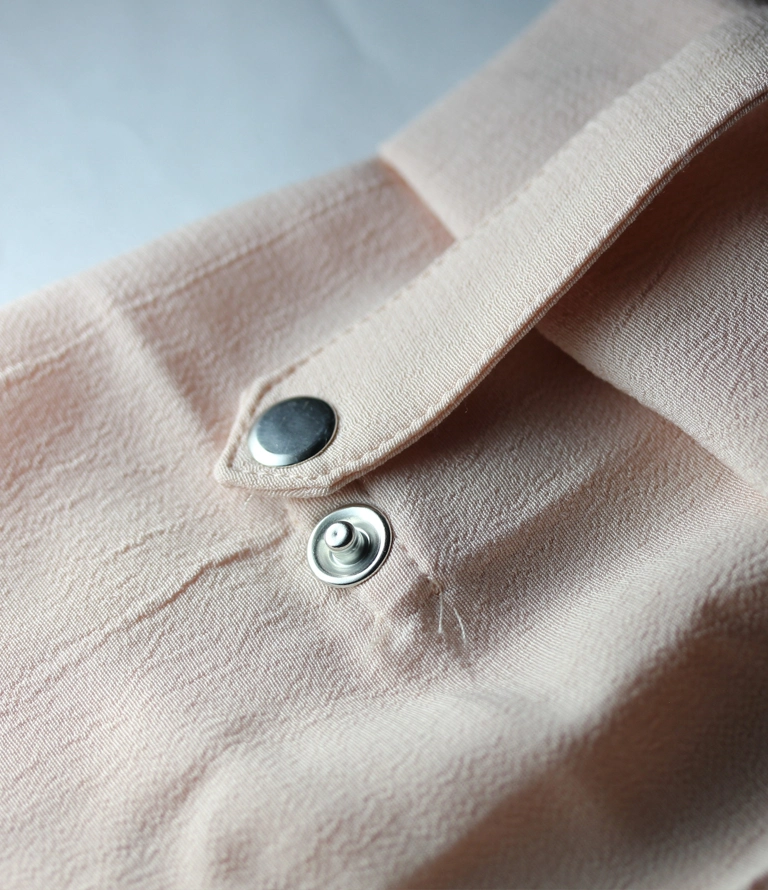
Integrating metallic snap fasteners
Stress point reinforcement
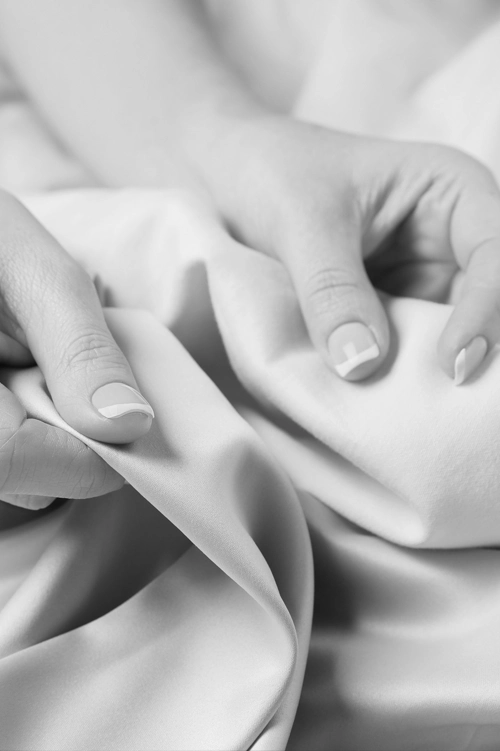
Identifying natural silk blends
Drape characteristic examination
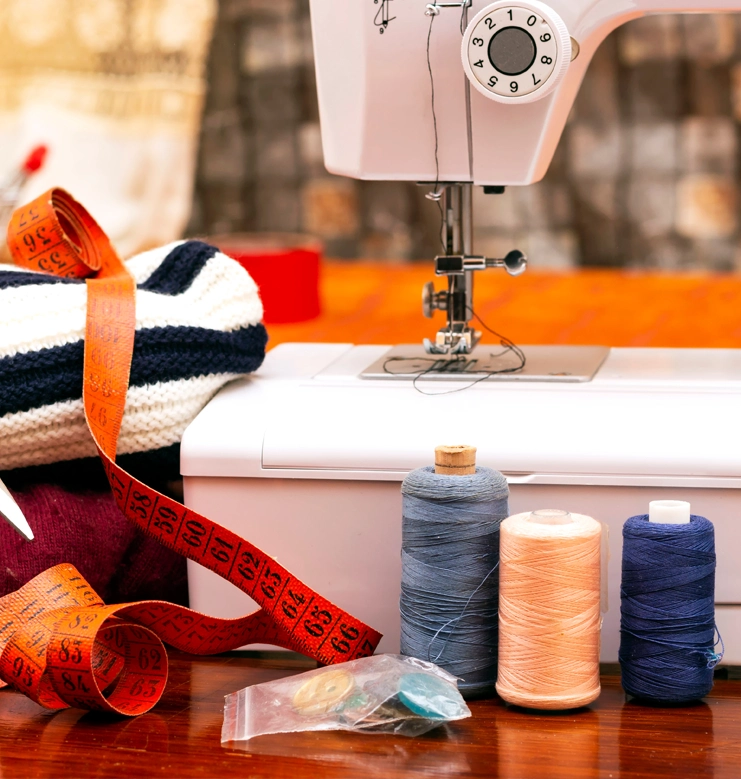
Understanding spool tension dynamics
Machine setting calibration

Applying functional garment hardware
Brass closure application
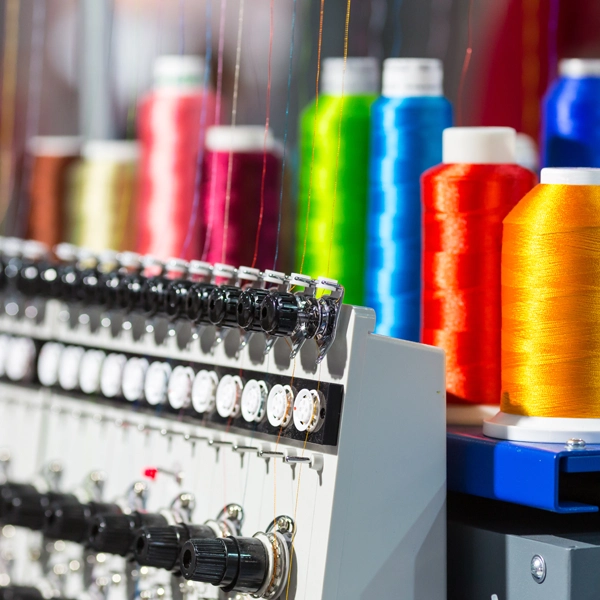
Choosing polyester core strands
Seam breakage prevention
Structural pattern drafting
Executing complex structural seam work
Pinning delicate layers requires extreme precision before engaging the serger blade. Guiding the fabric through the feed dogs ensures straight topstitching along the hemline. Careful pressing opens the allowances perfectly flat. Tailors frequently rely on specialized pressing hams to shape curved darts without crushing the surrounding woven texture.
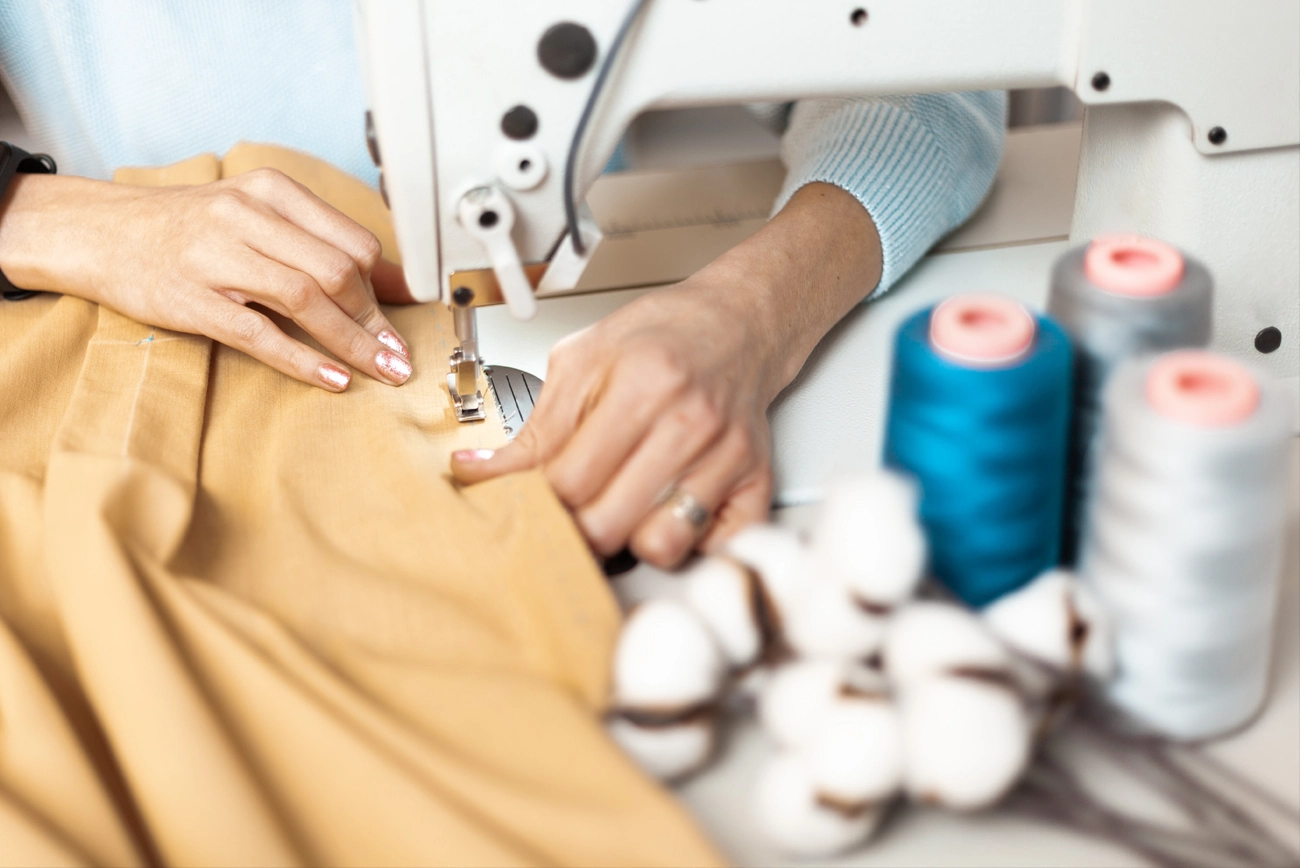

Mastering the invisible hemming technique
Catching only a single thread creates completely undetectable stitches on skirts.

Inserting concealed zippers with precision
Rolling the zipper teeth outward allows the needle to stitch closely.

Constructing durable tailored double seams
Enclosing raw edges twice prevents fraying inside unlined silk chiffon blouses.
Creative upcycling concepts
Repurposing vintage wardrobe staples creatively

Detailed needlework applications
Elevating fabrics with surface embellishments
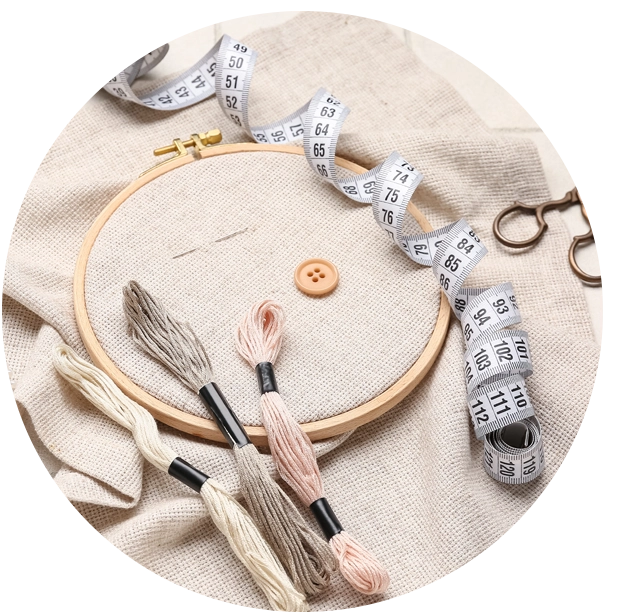
Stretching the linen canvas tightly across a wooden hoop creates the ideal tension for elaborate needlework. Piercing the weave with a sharp needle pulls the stranded cotton into intricate floral motifs. Raised satin stitches catch the light beautifully.
Combining French knots with delicate bullion stitches builds incredible texture on otherwise flat collars. Carefully guiding the metallic threads requires immense patience to prevent unpleasant tangling or sudden snapping. Stabilizing the reverse side with a thin backing material ensures the complex embroidered design maintains its crisp structural integrity over years of wear.
Bulky yarn manipulation
Looping strands into warm textiles
Casting stitches onto circular bamboo needles distributes the weight of heavy wool projects evenly. Alternating knit and purl maneuvers generates highly elastic ribbing for sweater cuffs. Hooking bulky merino fibers with an ergonomic crochet tool rapidly produces thick, insulating blankets perfect for trapping body heat during winter.
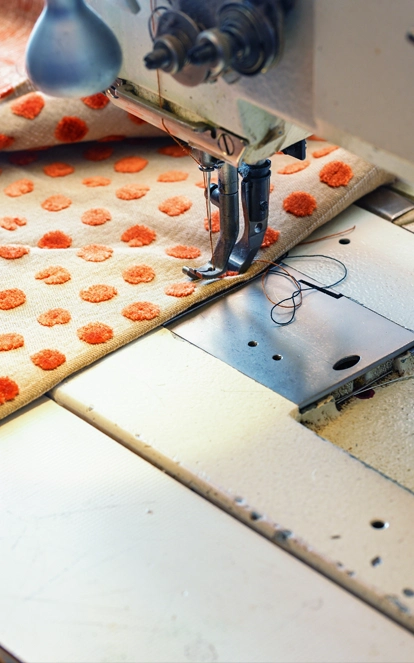
Calculating gauge for perfect fit
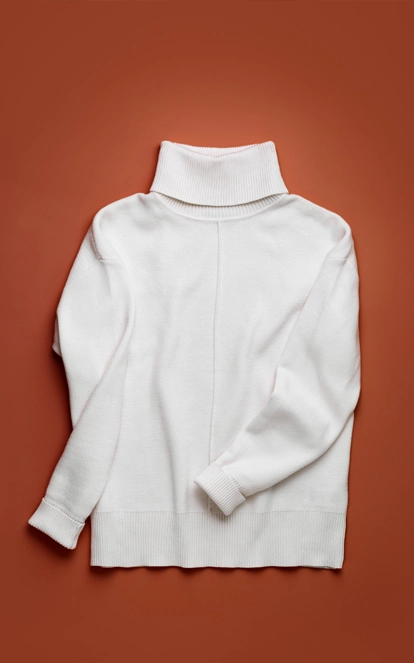
Blocking completed sweaters with steam
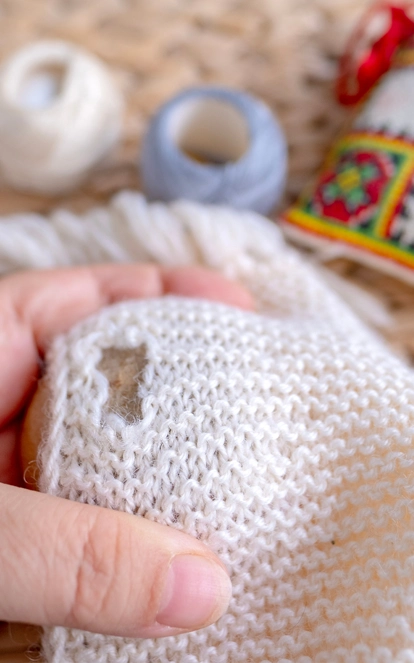
Repairing dropped stitches almost seamlessly

Establishing workshop essentials